Teacup pigs
The Colombian who loves teacup pigs
Title: Jessica's Enchantment with Teacup Pigs: A Colombian's Tale of Adoration
In the heart of Colombia, amidst the vibrant tapestry of its culture and the verdant beauty of its landscapes, resides Jessica, a spirited individual with a profound affection for animals. However, among her eclectic array of pets, one fascination stands out – her deep-seated love for teacup pigs. For Jessica, these charming porcine companions aren't merely pets; they're treasured members of her family, each possessing a unique personality and bringing boundless joy into her life.
Jessica's journey into the enchanting world of teacup pigs began unexpectedly. Initially drawn to their irresistibly adorable appearance, she soon discovered that their endearing qualities extended far beyond their diminutive size. "I was instantly captivated by their intelligence and their incredibly affectionate nature," Jessica fondly recalls. "They're such social creatures, forming strong bonds with their human companions and displaying remarkable levels of empathy."
Despite their small stature, teacup pigs exude a larger-than-life personality. Jessica affectionately describes her porcine pals as playful, mischievous, and endlessly entertaining. "They have an insatiable curiosity and an inherent sense of adventure," she shares with a gleam in her eye. "Watching them explore their surroundings and interact with each other never fails to bring a smile to my face."
Beyond their delightful demeanor, teacup pigs also excel as companions. Jessica emphasizes their loyalty and devotion, highlighting how they eagerly greet her with wagging tails and gentle snuggles after a long day. "Their unconditional love is truly heartwarming," she remarks with a soft smile. "They have a way of brightening even the darkest of days with their infectious enthusiasm."
However, Jessica acknowledges that caring for teacup pigs comes with its challenges. Despite their diminutive size, they require adequate space to roam and explore. Additionally, proper nutrition and regular veterinary care are essential to ensure their health and well-being. "Owning teacup pigs isn't just about cuddles and playtime," Jessica explains earnestly. "It's a commitment to providing them with the love and care they deserve."
In recent years, teacup pigs have garnered popularity as beloved pets worldwide. However, Jessica emphasizes the importance of responsible ownership and dispels common misconceptions surrounding these pint-sized porkers. "Contrary to popular belief, teacup pigs aren't suitable for everyone," she cautions thoughtfully. "They require a dedicated owner willing to invest time and effort into their care."
For Jessica, her teacup pigs are more than just pets – they're cherished companions who have enriched her life in countless ways. As she reflects on their unwavering loyalty and boundless affection, she can't help but feel grateful for the joy they bring into her life each day. "My teacup pigs may be small in size, but their impact on my life is immeasurable," she concludes with a heartfelt smile. "They've taught me the true meaning of unconditional love and companionship."
Top teacup pig Websites by State
Teacup pigs have captured the hearts of animal lovers across the United States, and for those seeking to welcome one of these adorable companions into their homes, there are several reputable websites to explore. Here's a roundup of the top teacup pig websites by state:
Teacup pigs for sale in California:
Teacuppigsforsalecalifornia.com - This website offers a wide selection of teacup pigs for sale in California. With a focus on health and temperament, they provide detailed information about each piglet available for adoption, ensuring that prospective owners can make an informed decision.
Teacup pigs for sale in Texas:
Teacuppigsforsaletexas.com - This premier destination for teacup pig enthusiasts in the Lone Star State features an extensive gallery of available piglets, along with comprehensive care guides and resources to support new pig owners.
Teacup pigs for sale in Florida:
Teacuppigsforsaleflorida.com - Specializing in offering teacup pigs for sale in the Sunshine State, this website provides a commitment to ethical breeding practices and customer satisfaction, striving to match each piglet with the perfect forever home.
Teacup pigs for sale in New York:
Teacuppigsforsalenewyork.com - Showcasing a variety of teacup pigs available for adoption in New York, this website features detailed profiles of each piglet, including photos, personality traits, and vaccination records, ensuring transparency throughout the adoption process.
Teacup pigs for sale in Illinois:
Teacuppigsforsaleillinois.com - This website offers a curated selection of teacup pigs for sale in Illinois. With a focus on breed quality and customer support, they provide guidance and assistance to prospective pig owners from initial inquiry to adoption.
Teacup pigs for sale in Pennsylvania:
Teacuppigsforsalepennsylvania.com - This trusted source for teacup pigs in the Keystone State features informative articles, testimonials from satisfied customers, and an easy-to-navigate interface for browsing available piglets.
Teacup pigs for sale in Ohio:
Teacuppigsforsaleohio.com - Dedicated to connecting pig enthusiasts with adorable teacup pigs in Ohio, this website provides detailed information about each piglet's background and care requirements, focusing on transparency and customer satisfaction.
Teacup pigs for sale in Georgia:
Teacuppigsforsalegeorgia.com - Offering a selection of teacup pigs for sale in the Peach State, this website features educational resources, including articles on pig care and training, to help new owners provide the best possible life for their furry friends.
Whether you're in California, Texas, Florida, or any other state across the nation, these top teacup pig websites provide a valuable resource for finding your perfect porcine companion.
.
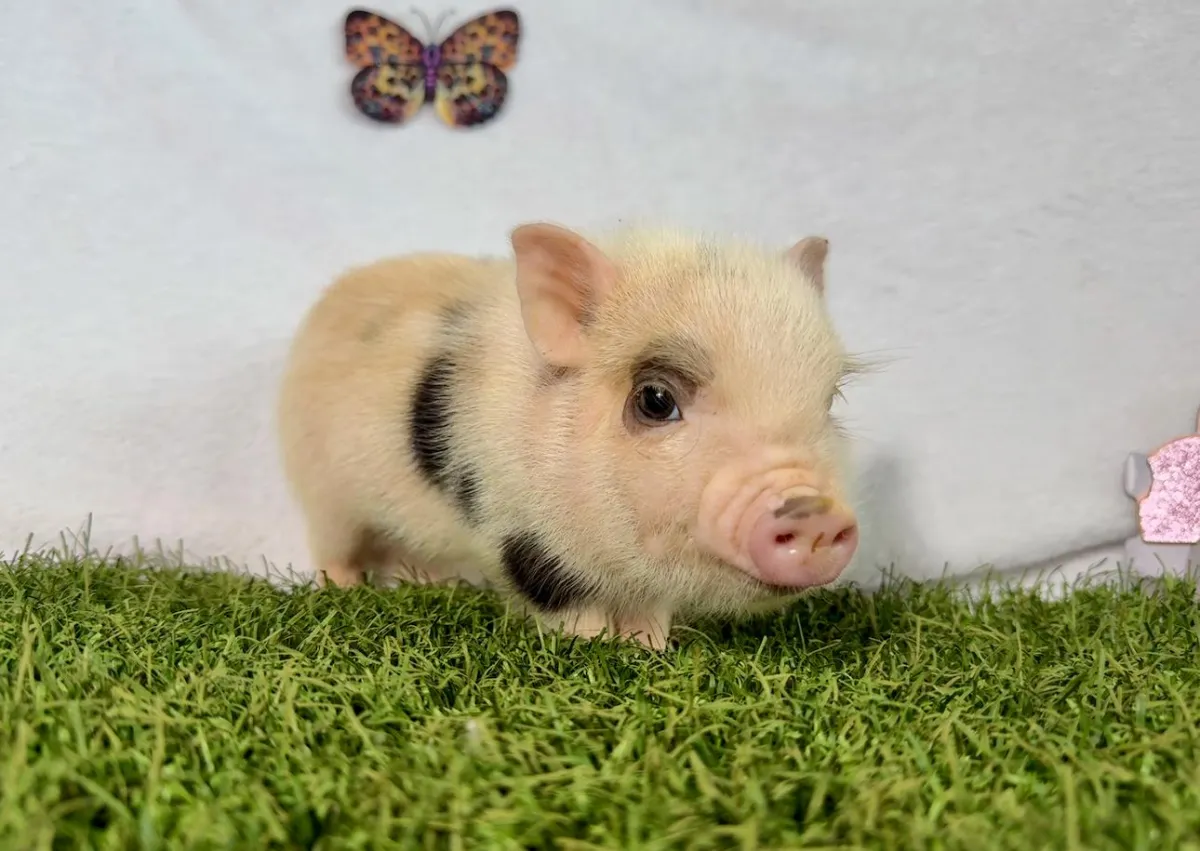
Mini Pigs: The Coolest Pets You Never Knew You Wanted!"
Yo, fellow animal lovers! Let's talk about the latest trend in the pet world: mini pigs! 🐷 These little dudes are like the ultimate combination of adorable and awesome, and they're taking the pet scene by storm. So, grab your snacks and get ready to learn why mini pigs are the bomb!
First off, let's talk size. Mini pigs are, like, super tiny compared to regular pigs. They're basically the pocket-sized version of their larger cousins. Picture this: you can hold a mini pig in your arms like a fluffy teddy bear. How cool is that?
But don't let their size fool you – mini pigs are big on personality! These little porkers are smart, social, and oh-so-cute. They love to play, snuggle, and even learn tricks. Plus, they're super clean animals, so you won't have to worry about any messy pigsty situations. 🧼
Now, let's address the elephant in the room (or should I say, the pig in the room?): do mini pigs stay small forever? Well, kinda. While mini pigs definitely don't grow as big as farm pigs, they do still grow. But don't stress – with proper care and a healthy diet, mini pigs usually max out at around 50-150 pounds. That's still way smaller than your average porker!
One of the best things about mini pigs is that they make awesome pets for just about anyone. Whether you're a city slicker or a country kid, a mini pig could be the perfect addition to your fam. Plus, they're great with kids and other pets, so they'll fit right in with your crew.
But before you run out and snag yourself a mini pig, there are a few things you should know. These little guys need lots of love, attention, and space to roam. They're not like your typical house pets – they need room to root around and explore. Oh, and don't forget about the snacks – mini pigs love to eat! 🍎🥕
So, there you have it – mini pigs are the bomb-dot-com. They're tiny, they're cute, and they're full of personality. If you're looking for a pet that's as cool as you are, look no further than a mini pig. Trust me, you won't regret it! 🐽✌️
Funny Things to do with your Mini pig
Hey there, piggy pals! 🐷 Are you ready to have a blast with your mini pig? Whether you're chillin' at home or out and about, there are tons of fun things you can do together. Check out these awesome ideas for making memories with your furry friend:
1. Take a Piggy Stroll: Grab your piggy's leash and hit the town for a walk around the neighborhood. Mini pigs love to explore new sights and smells, and you'll both get some fresh air and exercise in the process.
2. Play Hide and Seek: Mini pigs are super smart, so why not put their brainpower to the test with a game of hide and seek? Hide behind furniture or around corners and see if your piggy can sniff you out. It's a fun way to bond and keep your piggy's mind sharp.
3. DIY Agility Course: Get creative and set up a mini agility course in your backyard or living room. Use household items like hula hoops, tunnels made from cardboard boxes, and small ramps for your piggy to navigate. It's a fun way to keep them active and entertained.
4. Piggy Puzzles: Challenge your mini pig's problem-solving skills with some DIY piggy puzzles. Hide treats inside empty toilet paper rolls or plastic containers and watch as your piggy uses their snout to figure out how to get to the goodies. It's like a treasure hunt, but with snacks!
5. Snuggle Time: After all that playtime, don't forget to cuddle up with your piggy for some quality snuggle time. Mini pigs are known for their love of affection, so grab a blanket and get cozy together on the couch. It's the perfect way to unwind and show your piggy some love.
Remember, the most important thing is to have fun and enjoy each other's company. Whether you're exploring the great outdoors or having a lazy day indoors, spending time with your mini pig is always a blast. So go ahead, get out there, and make some memories with your favorite furry friend! 🐽💕