

แทงบอลออนไลน์ UFABET เว็บตรง อันดับ 1 ในเอเชีย ราคาดีที่สุดในไทย

แทงบอลออนไลน์ UFABET เว็บแทงบอลออนไลน์อันดับ 1 ของเอเชียเป็นเว็บตรงไม่ผ่านเอเย่นต์ที่ได้รับความไว้วางใจจากนักเดิมพันจำนวนมาก ด้วยมาตรฐานระดับสากลที่เปิดให้บริการมากกว่า 10 ปี สามารถเล่นพนันออนไลน์ได้อย่างมั่นใจมีจุดเด่นค่าน้ำสูงที่สุดในไทย พร้อมอัปเดตราคาที่เปลี่ยนตามสถานการณ์ตลอดเวลา ในทุกบิลที่เล่นจะไม่มีการหักค่าบริการใดๆ ทั้งสิ้น ทำให้ทุกการเล่นพนันออนไลน์คุ้มค่าและได้เปรียบมากขึ้น แทงบอลได้ทุกลีกทั่วโลก ก็สามารถเลือกเดิมพันบอลด้วยความถนัดไม่ว่าคุณจะเป็นผู้เล่นมือใหม่หรือผู้เล่นที่มีประสบการณ์ ก็สามารถเข้าใช้งานได้ง่ายผ่านมือถือด้วยระบบที่มีการพัฒนาขึ้นมาใหม่ ฝากถอนออโต้ไม่มีขั้นต่ำ รวดเร็วทันใจ ช่วยให้คุณแทงบอลได้ทุกที่ทุกเวลา และเปิดให้บริการตลอด 24 ชั่วโมง พร้อมทีมงานดูแลอย่างมืออาชีพตลอดทั้งวัน จึงไม่แปลกใจที่ UFABET จะกลายเป็นเว็บบอลที่น่าเชื่อถือ และเป็นตัวเลือกที่คุณไม่ควรพลาด
เว็บแทงบอล UFABET เดิมพันขั้นต่ำ 10 บาท ค่าน้ำเพียง 4 ตังค์ แทงบอลออโต้ครบวงจร 2025
เว็บแทงบอล UFABET ผู้ให้บริการแพลตฟอร์มแทงบอลมาตรฐานระดับโลก ได้เข้ามาเปิดให้บริการแก่ผู้เล่นชาวไทยและเอเชียทุกคน ให้สามารถเข้าถึงบริการแทงบอลที่คุ้มค่าด้วยค่าน้ำเพียง 4 ตังค์ เรียกได้ว่าต่ำที่สุดในบรรดาแพลตฟอร์มในยุคนี้ และในปี 2025 นี้ทาง UFABET มาพร้อมกับระบบแทงบอล Auto อัพเดทใหม่ล่าสุดตลอดเวลา ระบบใหม่ที่ให้บริการได้ตรงกับความต้องการของผู้เล่น และปรับปรุงกลไกใหม่ๆ หลายอย่าง ให้เข้าถึงผู้เล่นได้มากยิ่งขึ้น ซึ่งสามารถทำรายการแทงบอล 10 บาทแบบระบบออโต้เต็มระบบ ไม่ว่าจะเป็นด้านธุรกรรมการเงิน การวางบิลอย่างรวดเร็ว แค่คุณกดยืนยันรายการบิลแทงบอลก็เข้าอนุมัติเดิมพันในระบบทันที หากเกมไหนทายผลถูกระบบเครดิตจะปรับเข้าทันทีหลังกรรมการเป่านกหวีดจบเกม ไม่ต้องรอเจ้าหน้าที่ตรรวสอบบิลให้เสียเวลา ลดความผิดพลาดด้วยระบบคอมพิวเตอร์ เพื่อเพิ่มความรวดเร็วในการเดิมพันได้แบบต่อเนื่อง
แทงบอลออนไลน์ กับ ยูฟ่าเบท เว็บแทงบอลไม่มีขั้นต่ำ เล่นได้ทุกลีกทั่วโลกแบบไม่จำกัด

แทงบอลยูฟ่าเบท ที่ถือเป็นทางเลือกใหม่ของคอบอลที่หลงไหลในการเดิมพันและต้องการทำเงินจากทีมที่มั่นใจ ทางเว็บของเรามีนโยบายที่ต้องการจะตอบโจทย์ผู้เล่นทุกระดับโดยมีให้คุณนั้นสามารถเข้าร่วมสนุกแทงบอลเว็บตรงกับเราได้โดยไม่จำเป็นต้องใช้เงินเดิมพันสูงมีแค่หลักสิบบาทก็เล่นบอลออนไลน์ได้ อีกทั้งเรายังมีคู่บอลและการแข่งขันให้เลือกมากกว่าหลักร้อยรายการต่อวัน ไม่ว่าจะเป็นลีกเล็กหรือลีกใหญ่ บอลถ้วยหรือบอลทัวร์นาเมนต์ เราก็จัดไว้รองรับความต้องการของผู้เดิมพันทุกคนอย่างแน่นอน และเพื่อให้ผู้เล่นเกิดอิสระภาพในการตัดสินใจในการเดิมพัน คุณสามารถแทงบอล UFA ได้ทุกรูปแบบได้โดยไม่จำกัดบิลหรือจำนวนเงินเดิมพัน และยังจัดสรรงบประมาณของคุณได้ให้ลงตัวมากขึ้น
แทงบอลเว็บตรง ไม่ผ่านเอเย่นต์ เว็บแม่ลิขสิทธิ์แท้ เชื่อถือได้
แทงบอลเว็บตรง ไม่ต้องผ่านเอเย่นต์ ไม่ต้องมีคนกลาง และเว็บตรงคือผู้ที่เข้ามาเปลี่ยนแปลงการเล่นบอลแบบออนไลน์ รวมถึงปรับปรุงให้มีมาตรฐานที่สูงมากขึ้นในการให้บริการ โดยต้นตอนั้นเกิดจากปัญหาที่ผู้เล่นมักจะเจอกับเว็บทั่วไปที่ไม่ได้คุณภาพ อย่างเช่น เติมเงินแล้วยอดไม่เข้า ถอนเงินช้า, ถอนไม่ได้หรือโดนปิดยูสกระทันหัน สิ่งเหล่านี้มักจะไม่เกิดกับเว็บตรงแทงบอลเพราะจะเป็นผู้เชื่อมต่อระบบโดยตรงกับเจ้าของลิขสิทธิ์ ไม่ผ่านตัวกลาง และอยู่ภายใต้การตรวจสอบตามมาตรฐานของทางต้นสังกัดอยู่เสมอ
แทงบอล UFABET เว็บแม่ จะมีการตรวจสอบอย่างเป็นมาตรฐานถูกต้องอยู่เสมอ มีโครงสร้างองค์กรที่มั่นคงปลอดภัยและมีความเป็นมืออาชีพ โดยจะเริ่มดูแลผู้เล่นตั้งแต่ขั้นตอนขอรับรหัสไปจนถึงขั้นตอนการเติมเงินและสั่งถอนเงิน สามารถตรวจสอบย้อนหลังได้โดยที่ไม่ต้องกลัวประวัติการทำรายการหายหรือตกหล่น
UFABET เว็บตรงแท้ จะให้ความสำคัญในด้านเทคโนโลยีเป็นอย่างมากและมักจะมีระบบที่เว็บเอเย่นต์ทั่วไปส่วนใหญ่มักจะไม่มี อาทิเช่น ระบบล็อกข้อมูลเครดิตอัตโนมัติ ป้องกันการแก้ไขยอดจากแอดมินที่ไม่หวังดีได้, ระบบแจ้งเตือน AI แบบติดตามผลได้ทันทีเมื่อมีการทำรายการเกี่ยวกับทางด้านการเงิน
การแทงบอลออนไลน์ จุดปฏิวัติวงการแทงบอล จากแบบโต๊ะออฟไลน์สู่ระบบออนไลน์เต็มรูปแบบ
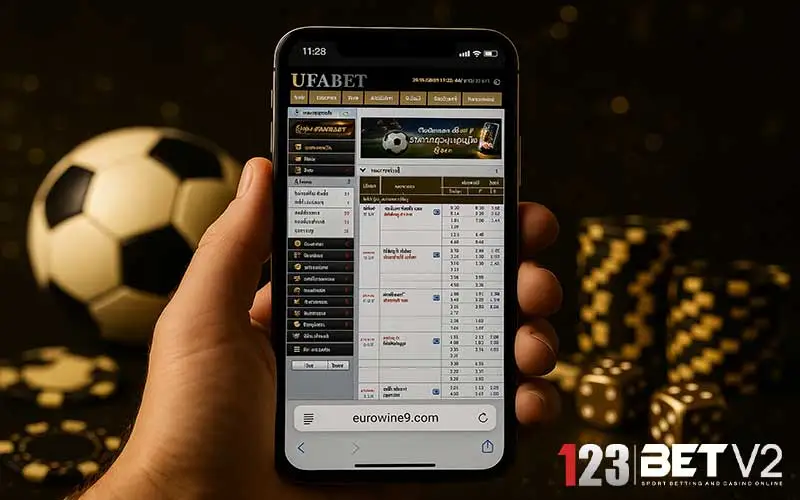
แทงบอลออนไลน์ ในอดีตย้อนไปเมื่อไม่นานมานี้ โดยประมาณ 10 ปีเศษผู้เล่นหรือผู้พนันนั้นเคยถูกผูกติดกับ “โต๊ะบอล” ซึ่งเราก็เข้าใจว่าในช่วงเวลานั้นผู้เล่นไม่ได้มีทางเลือกมากนัก จึงยังต้องจำใจและใช้บริการกับโต๊ะบอลท้องถิ่นที่ยังคงมีในเรื่องข้อจำกัดต่างๆ ไม่ว่าจะเป็นในเรื่องของเรตบอล ราคาน้ำบอล ที่มีผลต่อผลกำไรและการตัดสินใจโดยตรง ที่อาจจะถูกจำกัดให้เจ้ามือเอาเปรียบผู้เล่นได้แบบไร้ทางเลือก แต่ในปัจจุบันนั้นการพนันบอลกับ เว็บแทงบอล ได้เข้ามามีส่วนช่วยให้ผู้เล่นไม่ถูกเอาเปรียบจากเจ้ามือโต๊ะบอลอีกต่อไป เพราะผู้เล่นจะได้เข้ามาอยู่ในการดูแลของเครือข่าย
แพลตฟอร์มที่ได้มาตรฐานและได้รับการรองรับจากหน่วยงานควบคุมเกมพนันและคาสิโนออนไลน์ อย่าง MGA, UKGC, PAGCOR ซึ่งหน่วยงานเหล่านี้ ได้เข้ามาเพิ่มความน่าเชื่อถือให้กับแพลตฟอร์มพนันออนไลน์ ให้ผู้เล่นตัดสินใจในการเข้าร่วมเดิมพันได้ง่ายขึ้น ซึ่งเว็บแทงบอลออนไลน์จะให้ความสำคัญกับนโยบายในการดูแลลูกค้า ไม่ว่าจะเป็นในเรื่องของ ความเป็นธรรมในเรื่องของเรตราคาบอลและราคาค่าน้ำแทงบอลอีกด้วย เนื่องจากทางเว็บมีเทคโนโลยี AI ในการคำนวณหาราคาที่ดีที่สุดในแต่ละคู่แข่งขัน ให้ผู้เล่นได้เลือกตัดสินใจเดิมพันได้อย่างไม่ต้องมีข้อกังขาเรื่องความเสียเปรียบเหมือนอย่างโต๊ะบอลอีกต่อไป
ทำความเข้าใจแทงบอล ก่อนเริ่มสมัครเว็บแทงบอลออนไลน์
ปัจจุบันเว็บบอลออนไลน์เปิดบริการเป็นจำนวนมาก และ สะดวกต่อผู้เล่นโดยไม่ต้องเดินทางไปโต๊ะบอลเหมือนสมัยก่อน สิ่งสำคัญที่ควรรู้คือพื้นฐานของการแทงบอลยังไง หรือ แทงบอล คืออะไร เช่น วิธีการเล่น รูปแบบการเดิมพัน และราคาน้ำบอล ที่เกี่ยวข้องเพื่อให้คุณเริ่มต้นได้อย่างมั่นใจและไม่สับสนระหว่างเล่น การแทงบอลคือการเดิมพันผลการแข่งขันฟุตบอลที่ผู้เล่นสามารถเลือกทายผลได้หลายรูปแบบ เช่น ทายทีมชนะ จำนวนประตูรวม หรือรูปแบบอื่นตามที่เว็บพนันกำหนด โดยมีอัตราต่อรองบอลและค่าน้ำ เป็นตัวกำหนดผลตอบแทน ซึ่งผู้เล่นควรเข้าใจหลักพื้นฐาน เช่น ทีมต่อ-ทีมรอง วิธีดูราคาบอลและรูปแบบการแทนต่างๆ เพื่อวางเดิมพันได้อย่างมั่นใจ และมีโอกาสทำกำไรมากขึ้น ดังนั้น สิ่งเหล่านี้จึงเป็นเรื่องสำคัญที่ควรรู้ก่อนสมัครสมาชิกแทงบอลออนไลน์
ประเภทของการพนันบอลออนไลน์ UFABET ที่มือใหม่ควรรู้
เรื่องที่ต้องทำความเข้าใจก่อนเริ่มเล่น UFABET แทงบอล เนื่องจากแต่ประเภทนั้นมีกติกาการชนะที่ต่างกันออกไปในเรื่องของความเสี่ยงและโอกาสในการทำกำไร ซึ่งหากเข้าใจพื้นฐานเหล่านี้แล้วก็จะเป็นตัวช่วยที่ให้ชนะการเดิมพันฟุตบอลได้ดียิ่งขึ้น โดยการเลือกรูปแบบที่ตรงกับสไตล์การเล่นของตนเอง
แทงบอลเต็ง หรือ บอลเดี่ยว เป็นรูปแบบที่เหมาะสมสำหรับผู้เล่นมือใหม่เนื่องจากเป็นการเลือกแทงบอลเพียง 1 คู่ต่อบิลเท่านั้นมีโอกาสชนะสูงถึง 50% หากทายถูกก็สามารถรับเงินตามอัตราการจ่ายได้ทันที
แทงบอลสเต็ป หรือ บอลชุด เป็นรูปแบบการแทงบอลที่ได้รับผลตอบแทนที่สูงเนื่องจากเป็นการเลือกแทงบอลหลายคู่ในบิลเดียวตั้งแต่ 2 คู่ขึ้นไป โดยเงินรางวัลจะคูณตามจำนวนคู่ที่เลือก หากแทงถูกครบทุกคู่ก็จะได้ผลกำไรมหาศาลแต่ในขณะเดียวกันหากผิดเพียงคู่เดียว บิลนั้นก็จะถือว่าเสียทั้งหมดทันทีดังนั้นจึงควรใช้การวิเคราะห์และประสบการณ์เป็นตัวช่วยในการตัดสินใจ

แทงบอลสด เป็นการแทงบอลในระหว่างที่การแข่งขันกำลังดำเนินการอยู่ผู้เล่นสามารถดูเกมสดและวิเคราะห์ฟอร์มการเล่นสถานการณ์ในสนาม ก่อนตัดสินใจวางเดิมพันทำให้มีโอกาสวางเดิมพันได้อย่างแม่นยำมากขึ้น
แทงบอลสูงต่ำ (Over/Under) เป็นการทาย ผลสกอร์รวมของทั้งสองทีม ว่าจะสูงกว่า (Over) หรือ ต่ำกว่า (Under) ราคาเว็บที่กำหนดไว้เช่นหากราคากลางคือ 2.5 ประตู หากทั้ง 2 ทีมยิงรวมกันได้ 3 ประตูขึ้นไปถือว่า สูงกว่า แต่หากว่ายิงรวมกันแล้วได้แค่ 2 ประตู หรือน้อยกว่านั้นคือ ต่ำกว่า เป็นตัวเลือกที่เข้าใจง่ายไม่ซับซ้อน เหมาะสำหรับผู้เล่นที่ยังไม่ชำนาญในการเลือกทีมโดยตรง

แทงบอล1X2 เป็นการเล่นที่เน้นทายผลการแข่งขันโดยไม่ต้องคำนวณแต้มต่อโดยผู้เล่นสามารถเลือกทายผลว่า 1 (ทีมเจ้าบ้านจะชนะ) , x (ทั้งสองทีมเสมอกัน) ,หรือ 2 (ทีมเยือนจะเป็นฝ่ายชนะ) ไม่จำเป็นต้องสนใจผลสกอร์ ขอแค่ได้ผลลัพธ์ให้ถูกต้องก็พอทำให้เป็นอีกหนึ่งทางเลือกที่ได้รับความนิยมได้รับสากลโดยเฉพาะหมู่นักพนันต่างประเทศ
แทงบอลคู่-คี่ คือรูปแบบการทายผลรวมของจำนวนประตูที่เกิดขึ้นในการเเข่งขันว่าเป็น เลขคู่ หรือ เลขคี่ โดยไม่ต้องสนใจผลแพ้ชนะของทีมที่แข่งขัน เหมาะกับผู้เล่นที่ต้องการวิธีเดิมพันที่เข้าใจง่าย และใช้การวิเคราะห์ในมุมของแนวโน้มการทำประตูเป็นหลัก
อธิบายราคาและค่าน้ำบอล ตัวแปรสำคัญของผลกำไรที่คุณควรรู้
ทำความเข้าใจเกี่ยวกับ ราคาบอล หรือ ที่เราเรียกกันว่า อัตราต่อรองบอล คือตัวเลขที่กำหนดขึ้นมาเพื่อใช้เป็นตัวกลางในการวางเดิมพัน ระหว่างทั้งสองทีม ทำให้การเล่นพนันบอลออนไลน์มีความยุติธรรมและสมดุลมากยิ่งขึ้น ในส่วนต่อมาสิ่งที่มาควบคู่กับราคาบอลคือค่าน้ำ (Odds หรือ Price) เป็นอีกอัตราการจ่ายที่ทางเว็บแทงบอลออนไลน์ กำหนดขึ้นเช่นกัน เป็นสิ่งที่จะบอกเราได้ว่า หากเราเดิมพันถูกเราจะได้ผลกำไรเท่าไร โดยทั่ว ค่าน้ำหลักจะมีทั้ง ค่าน้ำแบบยุโรป (Decimal) และ ค่าน้ำแบบเอเชีย (มาเลย์, ฮ่องกง) ค่าน้ำแต่ละประเภทจะส่งผลโดยตรงต่อวิธีการคำนวณเงินรวมไปถึงการคืนยอดเสียเมื่อเดิมพันแพ้ ซึ่งแต่ละแบบมีเงื่อนไขและอัตราการจ่ายที่แตกต่างกันออกไป
เปรียบเทียบราคาบอลมาเลย์กับราคาประเภทอื่น
| ประเภทค่าน้ำ | รูปแบบ | วิธีคำนวณ | ผลตอบแทน | ลักษณะเด่น |
|---|---|---|---|---|
| มาเลย์ (MY) | ค่าน้ำดำ / ค่าน้ำแดง | ได้กำไร = เดิมพัน × ค่าน้ำ (ค่าน้ำดำ)ขาดทุน = เดิมพัน × ค่าน้ำ (ค่าน้ำแดง) | ได้กำไรตามค่าน้ำ / เสียน้อยกว่าเงินเดิมพัน | เสียเปรียบต่ำ เหมาะกับสายลดความเสี่ยง |
| ฮ่องกง (HK) | ค่าน้ำเป็นบวกเสมอ | กำไร = เดิมพัน × ค่าน้ำ | เสียเต็ม / ได้กำไรตามค่าน้ำ | เห็นกำไรง่าย คำนวณสะดวก |
| ยุโรป (EU) | ค่าน้ำรวมทุน | กำไร = เดิมพัน × (ค่าน้ำ – 1) | เสียเต็ม / กำไรรวมทุน | นิยมใช้ในเว็บยุโรป |
เว็บแทงบอลไม่มีขั้นต่ำ UFABET เว็บแม่ โดดเด่นในด้านใดบ้าง?
หากคุณกำลังพิจารณาเลือกแทงบอลเว็บไหนดี ที่ตอบโจทย์สไตล์การเดิมพันของเราได้ดีที่สุด ทั้งมั่นคงและคุ้มค่ากับการลงทุน เว็บบอลยูฟ่าเบทคือคำตอบที่นักเดิมพันส่วนใหญ่แนะนำเป็นเสียงเดียวกัน ด้วยจุดเด่นที่ครอบคลุมทุกด้านของการเดิมพันในทุกรูปแบบ ทั้งด้านความน่าเชื่อถือ ความเสถียรของระบบที่ออกแบบมาเพื่อผู้เล่นโดยเฉพาะ และความสม่ำเสมอในการให้บริการ
- รองรับการพนันบอล ที่ครอบคลุมสามารถเดิมพันได้ทุกลีกทั่วโลก รวมถึงบอลไทย บอลต่างประเทศ และรายการระดับโลกเช่นพรีเมียร์ลีก ลาลีกา ยูฟ่าแชมเปียนส์ลีก ฯลฯ
- ปลอดภัยเชื่อถือได้ 100% ด้วยระบบเว็บตรงไม่ผ่านเอเย่นมีใบอนุญาตรับรองมั่นใจได้ว่าไม่มีโกงถอนได้จริง ไม่มีอั้น และไม่จำกัดรอบการถอนเงิน
- มีอัตราต่อรองที่คุ้มค่ากับการลงทุน พร้อมค่าน้ำบอลสูงสุดถึง 4 ตังค์ พร้อมคืนค่าคอมมิชชั่นสูงถึง 0.5%
- บริการดูแลลูกค้าตลอด 24 ชั่วโมงด้วยทีมงานมืออาชีพที่ตอบไว แก้ปัญหาเร็ว ทั้งผ่านแชท line และช่องทางอื่นๆ
- แทงบอลมือถือ พร้อมแอพที่รองรับทั้งระบบ iOS & Android
- เป็นเว็บแทงบอลที่เชื่อถือได้ ได้รับการรับรองจากหลายหน่วยงานทั่วโลกและเป็นเว็บแทงบอลถูกกฎหมาย
สมัครแทงบอล ระบบออโต้รับรหัสเข้าใช้งานได้ยาวๆ จบขั้นตอนเปิดยูสได้ใน 5 นาที
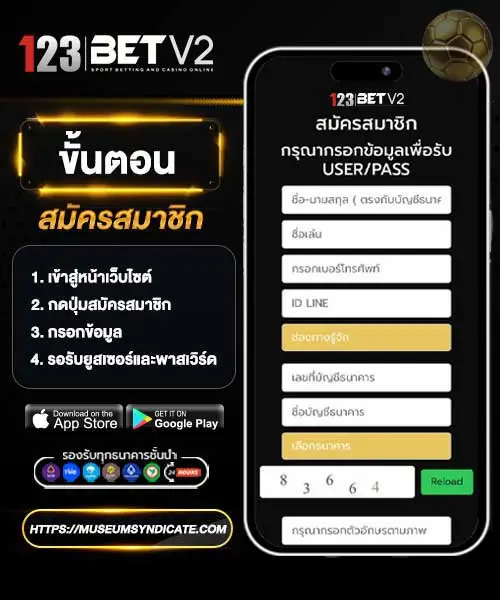
สมัครแทงบอลออนไลน์เว็บตรง UFABET สิ่งแรกก่อนการเข้าสู่ เว็บไซต์แทงบอล อีกหนึ่งขั้นตอนที่สำคัญที่ผู้เล่นจะต้องดำเนินการให้แล้วเสร็จ ทุกวันนี้การสมัครจะไม่ยากอีกต่อไปด้วยระบบสมัครสมาชิกแบบอัตโนมัติหรือการสมัครออโต้ สามารถทำได้ด้วยตัวเองทั้งบนโทรศัพท์มือถือและคอมพิวเตอร์ กรอกข้อมูลจบทุกขั้นตอนใช้เวลาไม่เกิน 5 นาทีเท่า โดยสิ่งที่คุณต้องเตรียมในการสมัครมีเพียง 3 อย่างเท่านั้น 1. ชื่อ-นามสกุล , 2. เลขบัญชีธนาคาร 3. เบอร์โทรศัพท์ และเตรียมข้อมูลไว้ให้พร้อมและไปดูขั้นตอนการสมัครกันเลย
วิธีการสมัครเว็บบอล ขั้นตอนกระชับให้คุณทำตามได้ง่ายๆ
สมัครเว็บบอล มีขั้นตอนที่ไม่ยุ่งยากและออกแบบมาให้ผู้ที่สนใจสมัครสามารถทำได้ด้วยตัวเอง
- คลิกเข้าที่หน้าเว็บ
- มองหาปุ่มที่เขียนว่า “สมัครสมาชิก”
- ระบบจะให้คุณกรอกข้อมูลตามช่องที่ระบุข้อมูลไว้
- เมื่อกรอกข้อมูลเรียบร้อยให้กด “ยืนยัน”
- เติมเงินและเลือกเดิมพันได้เลยทันที
เพียงเท่านี้ก็จบขั้นตอนการสมัครแล้วหรือหากใครไม่เข้าใจรายละเอียด ก็สามารถแจ้งมาที่ Line : @123bv2 เพื่อให้ทีมงานทำการสมัครให้ได้เช่นกัน
วิธีการสมัครเว็บบอล ขั้นตอนกระชับให้คุณทำตามได้ง่ายๆ
สมัครเว็บบอล มีขั้นตอนที่ไม่ยุ่งยากและออกแบบมาให้ผู้ที่สนใจสมัครสามารถทำได้ด้วยตัวเอง
- คลิกเข้าที่หน้าเว็บ
- มองหาปุ่มที่เขียนว่า “สมัครสมาชิก”
- ระบบจะให้คุณกรอกข้อมูลตามช่องที่ระบุข้อมูลไว้
- เมื่อกรอกข้อมูลเรียบร้อยให้กด “ยืนยัน”
- เติมเงินและเลือกเดิมพันได้เลยทันที
เพียงเท่านี้ก็จบขั้นตอนการสมัครแล้วหรือหากใครไม่เข้าใจรายละเอียด ก็สามารถแจ้งมาที่ Line : @123bv2 เพื่อให้ทีมงานทำการสมัครให้ได้เช่นกัน
UFABET ฝากถอนออโต้ ดำเนินทุกธุรกรรมการเงินได้ผ่านโปรแกรมจัดการอัตโนมัติ
เว็บบอลฝากถอนออโต้ ฟังก์ชั่นหลักสำคัญที่เข้ามาเติมเต็มความรู้สึกให้ผู้เล่นนั้นสบายใจและมีความสุขมากขึ้น เพราะการฝากถอนนั้นเป็นขั้นตอนสำคัญเมื่อต้องเข้าเดิมพันหรือถอนเงินเพื่อรับรางวัล โดยแทงบอล Auto นั้นเข้ามาลดปัญหาที่เคยเกิดขึ้นในช่วงที่เว็บพนันบอลยังไม่มีเทคโนโลยีฝาก-ถอนอัตโนมัติอยู่ และยังคงใช้ระบบทำธุรกรรมผ่านการตรวจสอบโดยมนุษย์อยู่ จึงทำให้เกิดผลกระทบต่อผู้เล่นในเรื่องที่ต้อง “รอ” นานเกินไป และคุณมั่นใจในเรื่องของความปลอดภัยได้ทันที เพราะเรามีเทคโนโลยีในการป้องกันภัยคุกคามทางไซเบอร์เกี่ยวกับข้อมูลสำคัญ และปกป้องคุณในช่วงที่คุณดำเนินกิจกรรมใดๆอยู่ก็ตาม
- ใช้การเข้ารหัสแบบ Secure Socket Layer (SSL) มั่นใจได้ทุกข้อมูลที่คุณกรอกจะถูกเข้ารหัสผ่าน HTTPS เพื่อความปลอดภัยขั้นสูง
- อนุมัติเฉพาะชื่อบัญชีเดียวกันในการทำธุรกรรมเท่านั้น หากข้อมูลไม่ตรงกับที่สมัครทางระบบจะยกเลิกการทำรายการในทันที
- ระบบตรวจสอบข้อมูลเรียลไทม์ ไม่ว่าจะเป็นการดำเนินกิจกรรมใดๆก็ตาม หากพบความผิดพลาดระบบจะยกเลิกการแบบอัตโนมัติ
- การยืนยันด้วยรหัส OTP ก่อนถอน เพื่อยืนยันตัวเจ้าของบัญชีเดิมพัน หากมีการทำธุรกรรมใดกๆเกิดขึ้นจะส่ง SMS แจ้งโดยไม่รอช้า
- ระบบจะแจ้งเตือนทันทีเมื่อมีการทำธุรกรรม หากมีการกระทำใดๆที่มีต่อบัญชีเดิมพัน ระบบจะแจ้งกิจกรรมล่าสุดให้เจ้าของบัญชีรับทราบ

UFABET ฝากเงินผ่านระบบออโต้ รวดเร็วจบทุกขั้นตอนฝากใน 1 นาที
วิธีฝากเงินเงินออโต้ ทำได้บนทุกอุปกรณ์ง่ายๆด้วยตัวเองตามขั้นตอนอย่างละเอียดดังนี้
- Login เข้าเว็บไซต์ด้วยรหัสผ่านให้เรียบร้อย
- กดที่เมนู “ฝากเงิน”
- เลือกช่องทาง + ใส่ยอดที่ต้องการ
- โอนเงินตามรายละเอียดที่ระบบให้ไว้
- รอระบบปรับยอดให้อัตโนมัติ
- ตรวจสอบยอดก่อนเริ่มเล่น
เว็บยูฟ่าเบทถอนเงินอัตโนมัติด้วยตัวเอง รับเงินรางวัลใน 10 วิ
วิธีถอนเงินออโต้ ให้คุณพร้อมรับเงินได้ใน 10 วินาที อ่านขั้นตอนง่ายดังต่อไปนี้
- เข้าสู่ระบบบัญชีของคุณ
- ไปที่ “ถอนเงิน”
- ระบุจำนวนเงินสำหรับการถอน
- ยืนยันการถอนเงิน
- ระบบจะโอนเงินไปยังบัญชีที่ลงทะเบียนไว้โดยอัตโนมัติ
โปรโมชั่นของเว็บแทงบอล UFA จัดเต็มทุกความคุ้มค่า
หากพูดถึง UFABET เว็บแทงบอลออนไลน์ที่ใส่ใจในเรื่องความคุ้มค่า ยูฟ่าเบท เป็นเว็บแทงบอลที่เข้าใจความต้องการของนักเดิมพันได้เป็นอย่างดี ไม่ว่าจะเป็นโบนัสสำหรับสมาชิกใหม่แจกเครดิตฟรีทันทีเมื่อฝากเงินครั้งแรกที่ช่วยเริ่มต้นได้อย่างมั่นใจ ต่อด้วยโปรคืนยอดเสียทั้งรายวันและรายสัปดาห์ นอกจากนี้ยังมีโบนัสเดิมพันรายวัน สำหรับคนที่ชอบฝากเล่นเป็นประจำ รวมถึงกิจกรรมพิเศษในช่วงเทศกาล ที่มาพร้อมของรางวัลและ เงินโบนัสไม่อั้น และที่พลาดไม่ได้คือ ค่าคอมมิชชั่นจากยอดเดิมพันทั้งหมดที่ระบบจ่ายคืนให้อัตโนมัติ แม้ในวันที่ไม่ได้กำไรจากการแทงบอล ด้วยสิทธิประโยชน์เหล่านี้ ทำให้ยูฟ่าเบทกลายเป็นเว็บแทงบอลที่ใครหลายคนเลือกใช้